Normandy &
Brittany
Dramatic coastlines, historic villages, and a quieter pace — where the pull of history is inescapable and the landscape stays with you long after you leave. Two distinct regions, one unforgettable corner of France.
Legendary regions, distinct personality.
Normandy and Brittany share a coastline, a certain misty light, and a remove from the Parisian orbit — but they occupy fiercely independent identities. Normandy is apple orchards, half-timbered villages, and the weight of history: the D-Day beaches, Rouen's cathedral, the abbey at Mont-Saint-Michel. Brittany is its own world entirely, with a Celtic identity that predates France, a language still spoken in the west, and a coastline that ranges from pink granite cliffs to sheltered harbors and wild, wind-scoured capes. This is not the France of vineyards and granite monuments – trade wine for cider and Calvados, and trade Haussmannian architectural confections for humble stone cottages bravely facing the stormy sea.
What unites Normandy and Brittany besides geography is a slower pace of life, a frank, can-do spirit, and the rugged constitution of a people descended from mariners. Paris is close enough for a train ride when you need it — Rouen is an hour by train, Rennes about ninety minutes — but daily life here is organized around the sea, the market, and the village. Property prices are a fraction of what you'd pay in Provence or the Côte d'Azur, and the quality of life can feel like a well-kept secret (except, perhaps, among Parisians who deem it weekend home territory). Normandy and Brittany share the Channel with England, and they share its climate as well: driving rain, gray skies, wind, and a chill that will make you throw on a heavy striped Saint James sweater; of course, in return, the weather provides a green, lush landscape which, coupled with sandy beaches and emerald seas, are the sort of scenery that will make you tear up – all the more so on a sunny day. If you're looking for a country way of life within easy reach of Paris – and if you're the type of person who gravitates toward Maine and Nova Scotia – Normandy and Brittany might be for you.
A rugged coastline and a lush interior.
Rouen is Normandy's historic capital — a proper city with a famous cathedral, a restored old town of half-timbered houses, and a cultural life that surprises many first-time visitors. It's an hour from Paris by train, which makes it one of the most commutable "escape" options in France. The Seine winds through the region, and the smaller towns and villages along the river offer a quieter alternative with easy access to Rouen for shopping, culture, and the TGV. Housing is still relatively affordable compared to Paris or even Lyon, and you get a lot of history for your euro. But make no mistake: this is small city living.
Honfleur is the picture-postcard fishing port that inspired the Impressionists; Deauville and Trouville are the elegant seaside resorts where Parisians have summered for generations. The Côte Fleurie is Normandy at its most refined — yacht clubs, racecourses, and a certain old-world glamour. It's also where prices climb. Deauville is expensive; Honfleur is more accessible but still coveted. If you want the Normandy coast without the premium, look at the smaller towns between them or slightly inland. The coast here is gentle — long beaches, not dramatic cliffs — and the light is soft and often gray. Deauville has a famous film festival, but that's the only thing this region shares in common with Cannes.
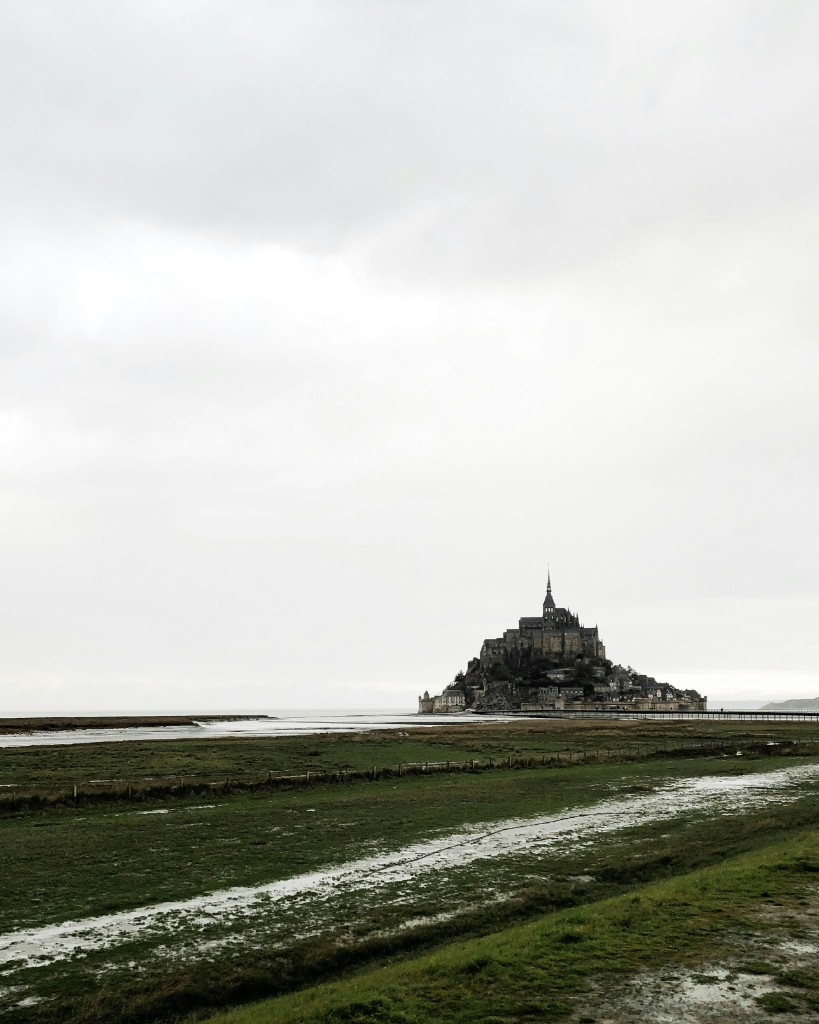
Saint-Malo is a walled city on the sea — once a corsair stronghold, now a thriving port and a gateway to Brittany. The intra-muros (old town) is tourist-heavy in season but genuinely stunning; the broader coast, known as the Emerald Coast, has beaches, cliffs, and villages that feel more lived-in. Cancale is the oyster capital of France and a genuine delight; Dinard, across the bay, is a classic Breton resort with a casino and belle-époque villas. Property in Saint-Malo itself commands a premium; the surrounding towns and the coast toward Cap Fréhel offer more space and better value while keeping you close to the action. Though Mont-Saint-Michel is technically in Normandy, it's from the Emerald Coast where this island is most magically viewed. Life in this part of the world is quiet, but refined – you eat well, you laugh well – but keep in mind you're going to be more isolated from major cities and transit hubs. Nantes Airport is about a two-hour drive; Paris is about three and a half hours by train.
Rennes is Brittany's urban center — a university city with a young energy, a handsome look, and a TGV connection that puts Paris at ninety minutes. It's the closest thing to a city in Brittany, with real employment, culture, and nightlife. Inland Brittany is a different story: rolling hills, stone villages, and a deeply rural character. Property is affordable, and the pace of life is slow. You're not on the coast, but the coast is never far. This is the Brittany of creperies, cider, and the Breton language on the road signs — a France that feels distinctly its own.
Finistère means "end of the earth," and the western tip of Brittany earns the name. This is the most Breton of Brittany — where the old language is still spoken, the coastline is wild and dramatic, and the villages are small, proud, and remote. Quimper is the main town, with a charming center and a strong ceramic tradition; the capes and peninsulas beyond are for those who want to get away from everything. Property is affordable, but infrastructure is thin and the weather is wet and windy. If you're looking for the France that most Americans never see, and you don't mind the rain, Finistère is it.
What Normandy and Brittany won't tell you
The weather is the elephant in the room. Normandy and Brittany are green for a reason: it rains. Gray, drizzly days are the norm from October through April, and even summer can be unpredictable. If you need sunshine to feel human, these regions will test you. The flip side is that the landscape is lush, the crowds are thinner than in the South, and property prices reflect the climate — you get more for your money precisely because the weather keeps demand in check.
Beyond the honey-pot towns — Honfleur, Saint-Malo, the immediate vicinity of Mont-Saint-Michel — services can be thin. Rural Normandy and Brittany mean real rural life: fewer English speakers, fewer expat networks, and a need to lean into French. That's part of the appeal for many, but it's not for everyone. And while Paris is reachable by train from Rouen and Rennes, the rest of the region is car-dependent. If you don't drive, or don't want to, daily life in a village can feel isolating. Come for the coast, the history, and the pace. Stay for the same — and bring a good raincoat.
Is Normandy or Brittany right for you?
From a half-timbered village in the Seine Valley to a stone house in Finistère, the northwest offers a France that's still under the radar. Let's find your place.